

Blog
2025.12.10
Samani Junior High Community Open House
Once a year, Samani Elementary and Junior High Schools hold a community open house to share their educational curriculum and showcase students' hard work with the local community.
The schools have been focusing on developing the students' communication and presentation skills.
The curriculum includes a comprehensive learning program called the "Hometown Apoi Studies," which teaches about the nature and industries of Samani.
Everyone is welcome to the Community Open House to see the growth of the students cultivated through the school curriculum.
Therefore, I decided to visit the Junior High School for myself.
On Wednesday, Dec 10, at the Samani Junior High School, students from grades 6th - 9th were presenting posters that summarized what they learned from the "Hometown Apoi Studies."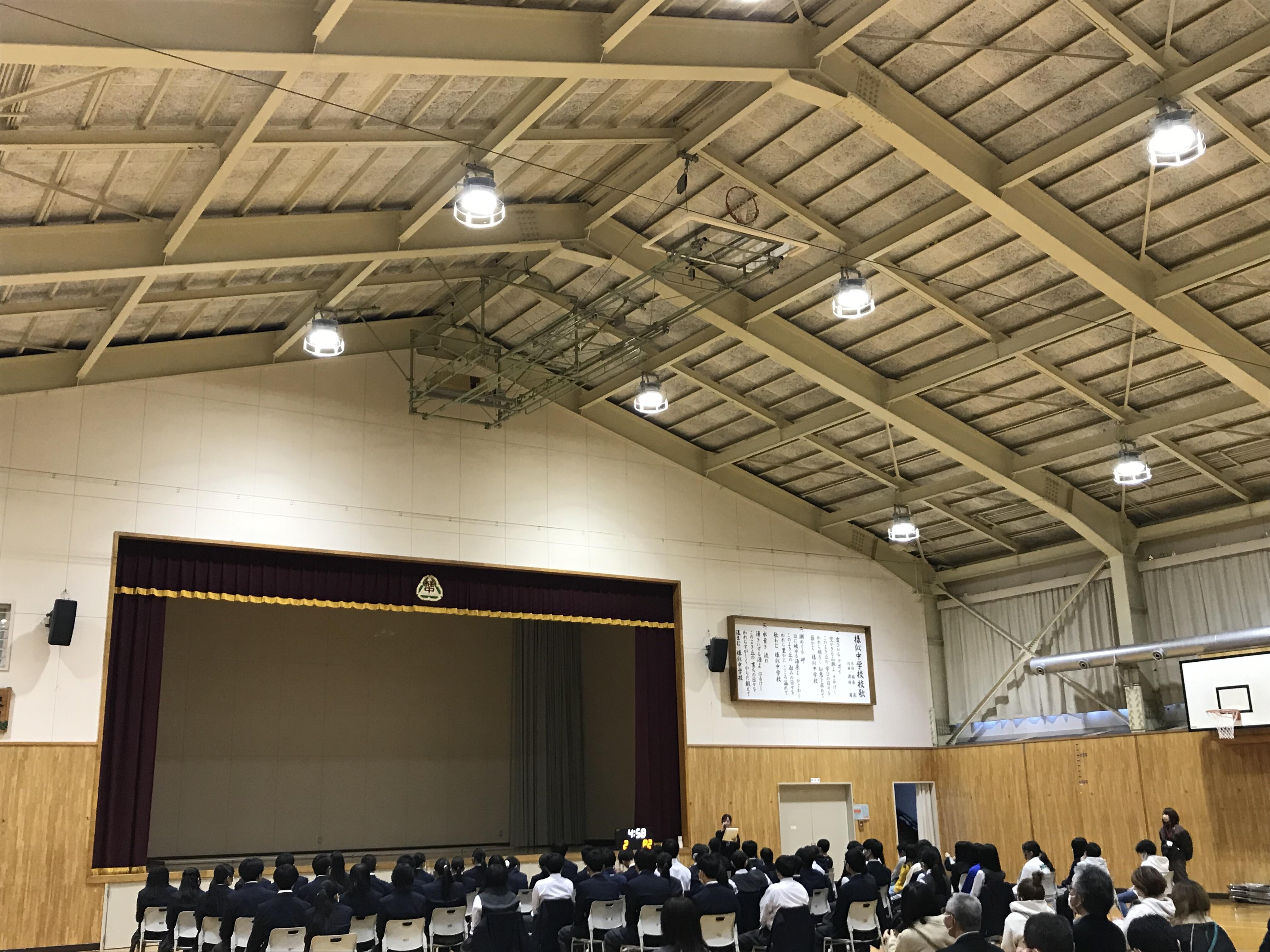
I noticed new themes emerging in the presentations. This is likely due to 8th graders visiting Mikasa Geopark this year and the incorporation of SDGs into the 7th-grade curriculum.
The board of education noted that communication skills are crucial for the students as they move forward in life. I believe the poster session was very well done.
Around 30 people came to observe the poster presentations: a combination of parents, residents, and town hall staff.
As I was leaving the school, I had a nice view of Mt. Apoi, Mt. Yoshida, and Mt. Pinneshiri.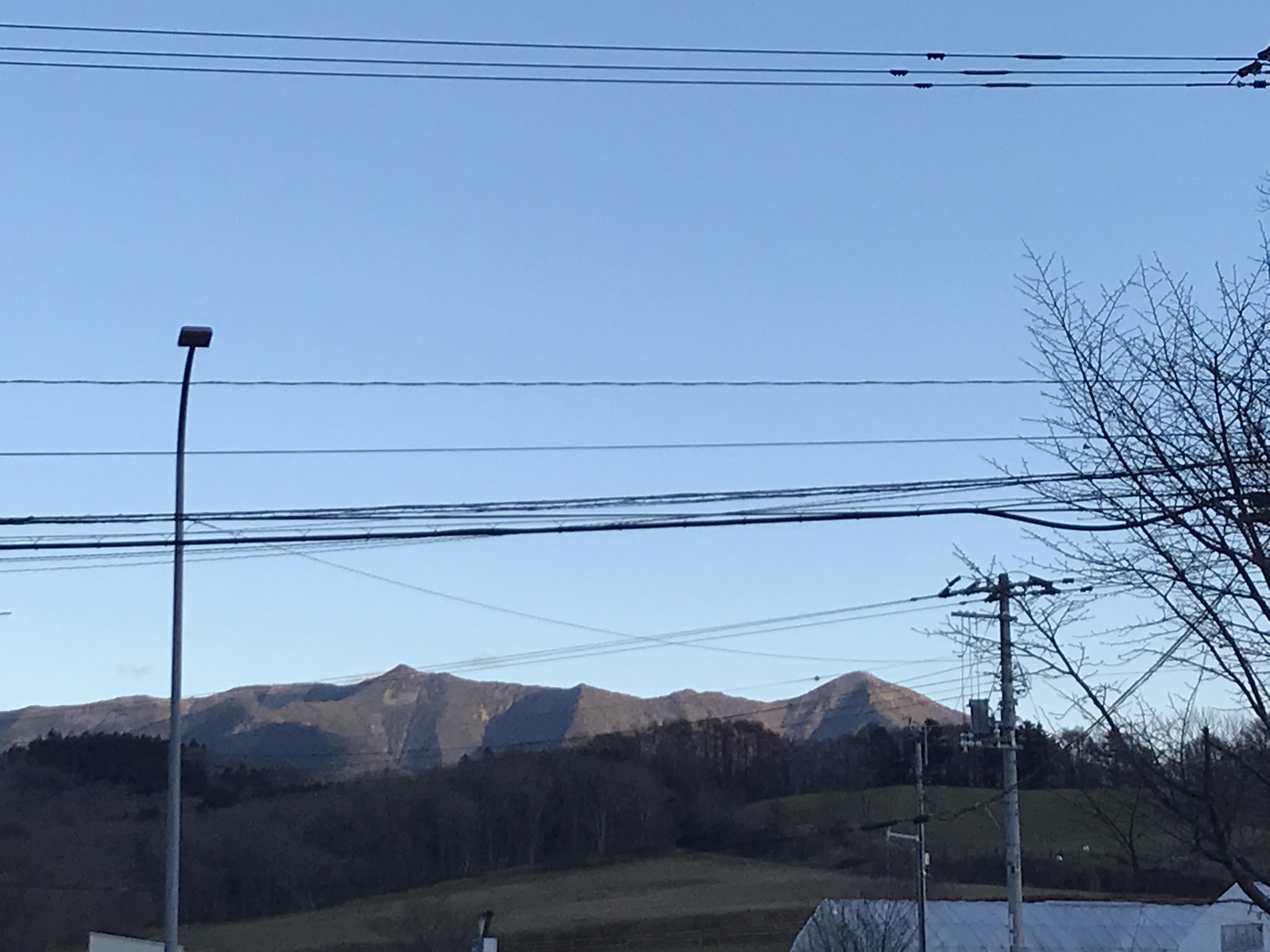
2025.12.09
Dec 8, 2025 Offshore Aomori Earthquake
|
On Monday, December 8th, around 11:15 PM, a strong earthquake with a seismic intensity of Shindo lower-5 was observed in Samani. Here is a rundown of the situation. For information about the Japanese Seismic Intensity Scale: https://www.jma.go.jp/jma/en/Activities/inttable.html
▲Dec 8 (Mon), 11:15 PM an earthquake occurred off the coast of Aomori prefecture According to a report on the Japan Meteorological Agency on Tuesday, the 9th: - Magnitude 7.6 - Location of occurrence: Off the eastern coast of Aomori Prefecture (approx. 80 km northeast of Hachinohe) - Depth of epicenter: 50 km ▲ Dec 8 (Mon), 11:23 PM, a tsunami warning was issued for Samani Tsunami observation information for neighboring Urakawa is as follows:
Tsunami observation information for Erimo is as follows: - 1st wave recorded on Dec 8th, 11:45 PM - Largest recorded wave was 0.3 meters at 11:55 PM, Monday the 8th ▲ Hokkaido/Sanriku Subsequent Earthquake Advisory Issued - The Japan Meteorological Agency issued a "Hokkaido/Sanriku Subsequent Earthquake Advisory" at 2:00 AM on Tuesday, the 9th, marking the first time such an advisory has ever been issued . - A notice about this has been posted on the Samani website http://www.samani.jp/news/2025/12/post-1093.html
- August 25, 2012 Southern Tokachi Region (lower-5) - January 14, 2016 Offshore Urakawa (lower-5) - December 8, 2025 Eastern Coast of Aomori (lower-5) More about the earthquake: ▲ Aftershocks that were recorded in Samani after the Eastern Coast of Aomori - Dec 8 (Mon) 11:33 PM Shindo 2 - Dec 9 (Tues) 12:57 AM Shindo 1 - Dec 9 (Tues) 03:56 AM Shindo 2 - Dec 9 (Tues) 04:01 AM Shindo 1 - Dec 9 (Tues) 06:52 AM Shindo 3 - Dec 9 (Tues) 08:59 AM Shindo 2 - Dec 9 (Tues) 02:15 PM Shindo 1 - Dec 9 (Tues) 06:09 PM Shindo 2 - Dec 10 (Wed) 08:04 AM Shindo 1 - Dec 10 (Wed) 03:23 PM Shindo 1 - Dec 10 (Wed) 11:01 PM Shindo 1 - Dec 10 (Wed) 11:52 PM Shindo 3 - Dec 11 (Thurs) 07:12 PM Shindo 1 (Offshore Urakawa) - Dec 12 (Fri) 07:09 AM Shindo 1 - Dec 12 (Fri) 11:44 AM Shindo 3 Epicenter was off coast Aomori prefecture, depth of 20 km, and magnitude 6.7 At 11:52 AM a tsunami advisory was issued for Samani ▲ News Reports - STV Report - Dec 9 (Tues) 11:55 AM Building Exterior Collapses in Samani Town, Shops Busy Cleaning Up Goods The Morning After - STV "Fed Up with earthquakes" Samani Town shindo lower-5 Earthquake, goods scattered throughout stores as staff scramble to clean up - STV (live broadcast) Residents felt strong shaking: "It suddenly started shaking violently." Goods scattered everywhere. Shindo lower-5 in Samani - HTB "Lower-5 Earthquake Hits Hokkaido" Nine injured after quake, including one who fell and broke their arm while evacuating. Partial building damage in Samani and Tomakomai Published on Dec 9 at 11:59 AM https://www.htb.co.jp/news/archives_34845.html - NHK "Earthquake" Hidaka's Samani Town, evacuated residents say "it was cold" - NHK "Earthquake" Hidaka's Samani Town, exterior wall of restaurant collapses - HTB Four visitors in a car headed for the "shelter farthest from the ocean." An innkeeper recounts the terror of lower-5 quake and future countermeasures https://www.youtube.com/watch?v=ipwucOBSwLw
- HTB (live broadcast) Hidaka - Shindo lower-5 quake, wall of a restaurant in Samani Town collapses https://www.htb.co.jp/news/archives_34840.html
|
2025.11.29
Fallen Trees on Mt. Apoi
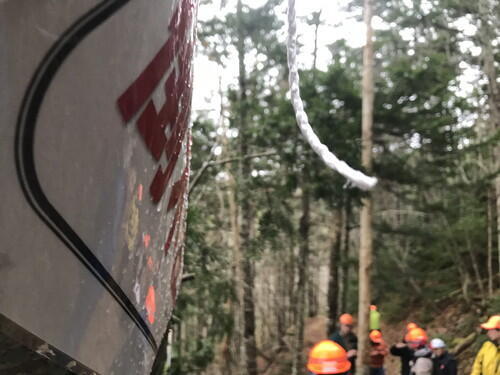
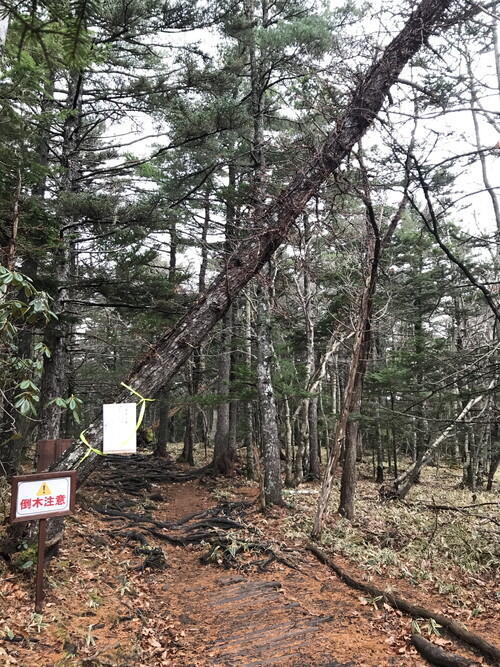
Recent strong winds have caused some trees to fall near the hiking trail on Mt. Apoi. On November 28th, staff met to share information and discuss how to handle the fallen trees. 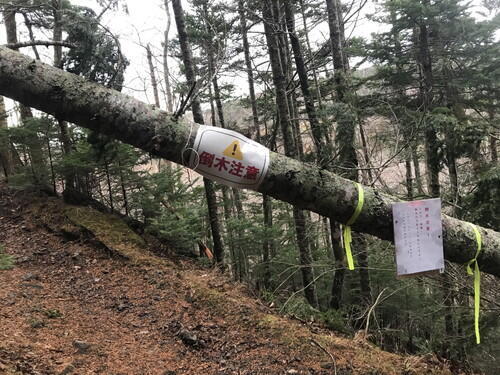
2025.11.26
Fuyushima and the Sea
Here is what the ocean looked like on November 26th. 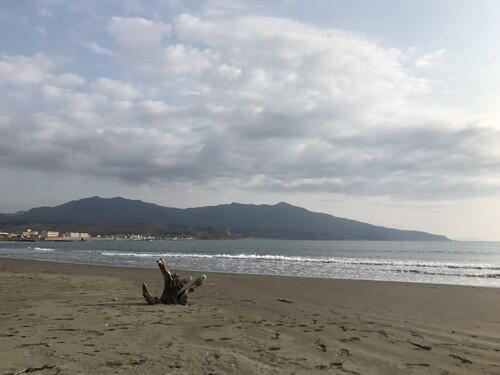
I could see harlequin ducks, Eurasian wigeons, and red-throated loons soaring over the ocean.
It will be winter soon, and we'll see more winter birds migrating to the area. We haven't had any snow just yet, either, but I can tell that winter is coming.
It may be hard to see in the photo below, but there is a flock of harlequin ducks.
I think I startled them, so one flew away. 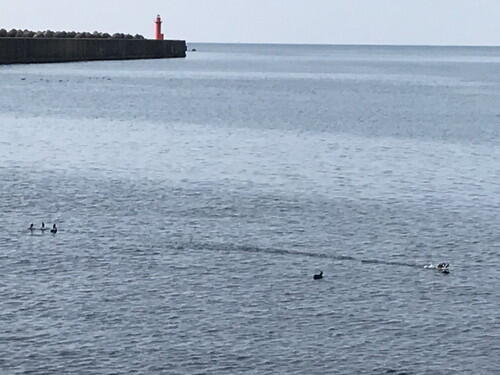
2025.11.07
Removal of the 5th Station Privacy Booth on Mt. Apoi
On November 6th, the Apoi Fan Club removed the toilet privacy booth from the 5th Station of Mt. Apoi.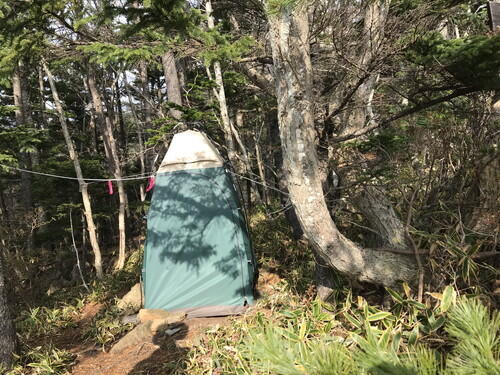
It will be reinstalled in April of next year.
They also removed some of the fallen branches that were snapped in the recent windstorm.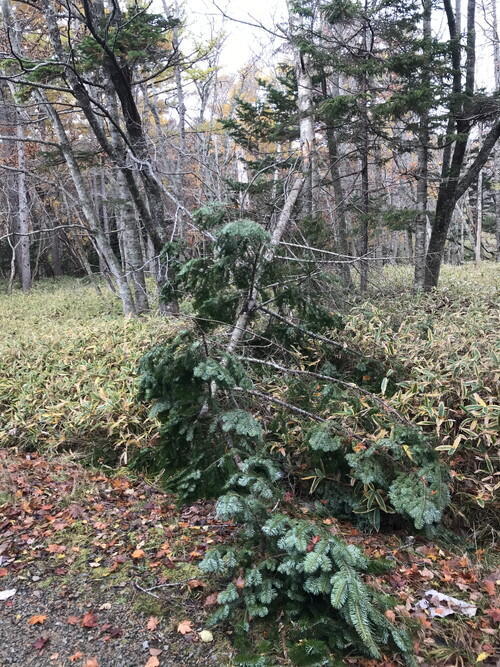
We saw some fall colors along the hiking trail.