


Blog
2025.02.04
Meeting for 15th Japanese Geopark National Conference in Tokachidake
This year's 15th Japanese Geopark National Conference in Tokachidake (Biei/Kamifurano) will be held in September 2025. Mt. Apoi Geopark is also holding a pre-conference tour.
On Tuesday, Feb 4th, I went to Biei Town for the initial executive committee meeting for the national conference, and the 3rd Hokkaido Geoparks Administration meeting. There was only one issue, it had been snowing heavily around the meeting date. Just last night 120 cm of snow fell in Obihiro and 70cm in Shikaoi Town. I ended up taking a roundabout route due to various road closures: Samani - Hidaka Town - Shimukappu Village - Biei. Along this route, Furano had the most snowfall. 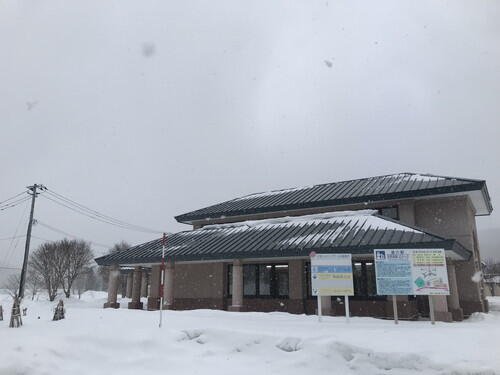
Several trucks were parked on the side of the road in Shimukappu Village since the road to Tokachi was closed. 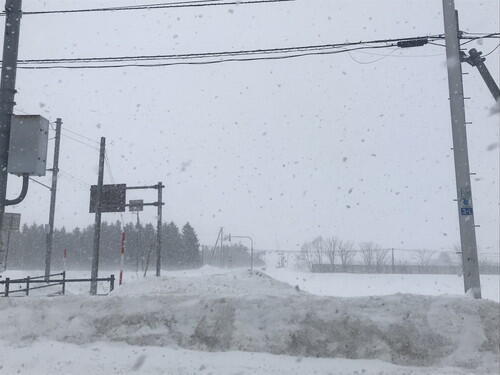
I experienced blizzard-like conditions near Gakuda Station in Furano. 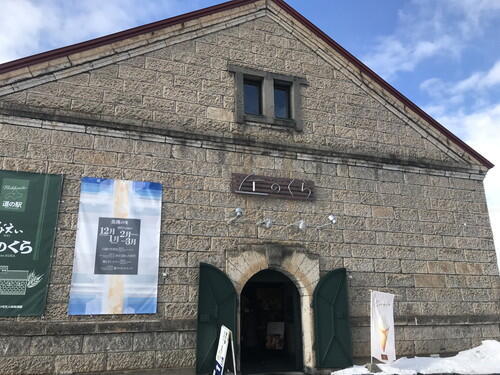
Biei has many quaint stone buildings. There were many tourists from South Korea and China as well. 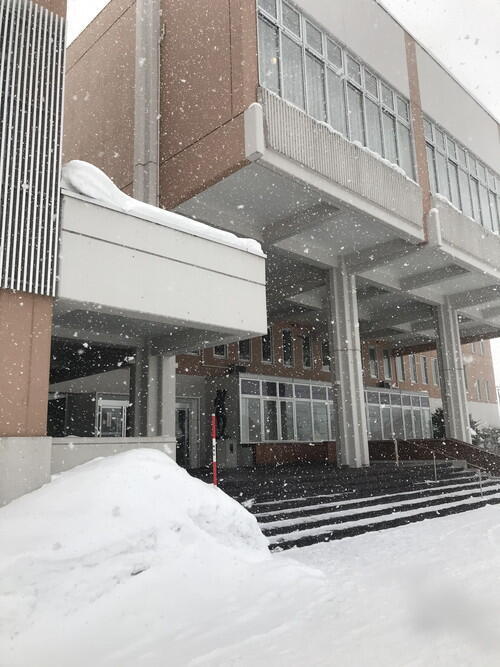
It was sunny but starting to snow as I reached the entrance to the meeting venue. 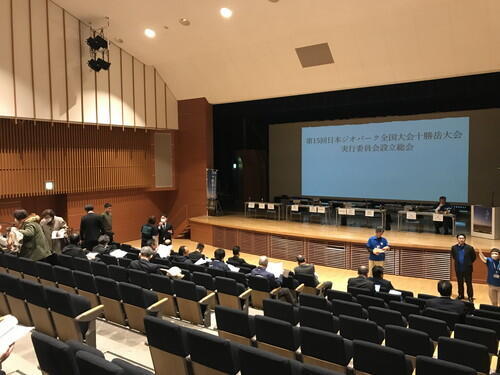
The general meeting to establish the executive committee.
2025.01.24
Kan x Kan Lectures "Warm Wind Cave at Mt. Kannon"
On January 18th we held the latest Kan x Kan Lecture to find the warm wind cave at Mt. Kannon. It had snowed the day before, so it was easy to see where the wind cave was because it was the only spot where the snow had melted. You could also feel the temperature difference of the warm air flowing through the cave.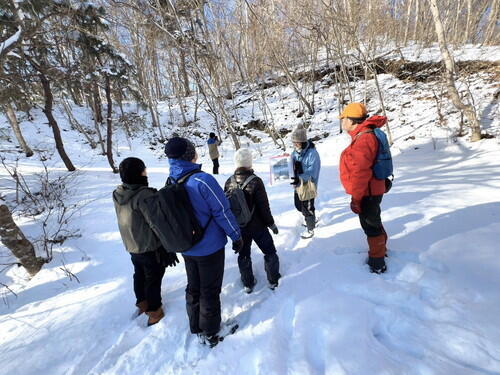
As we headed towards the wind cave, we talked about the Mt. Kannon Cherry Blossom Festival.
I had also found a book at the library that introduced wind caves in Shimonita and the Naeba foothills on Japan's main island of Honshu that are utilized for silkworm production. 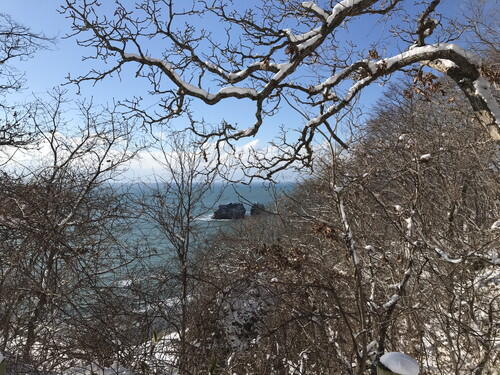
We could see Oyako-iwa (Parent & Child Rocks) from Mt. Kannon.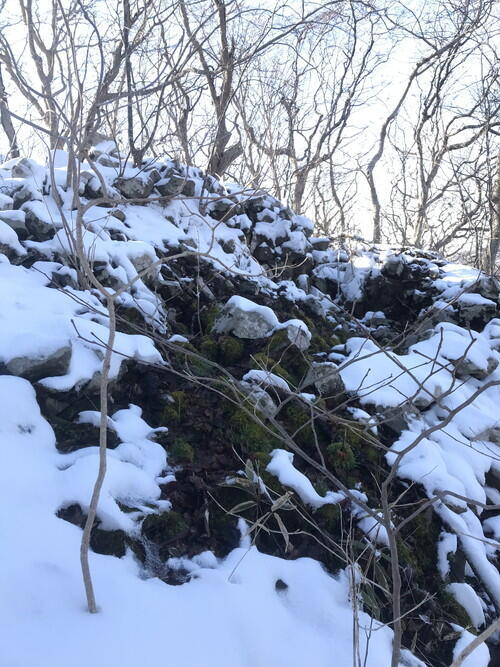
The snow was melted only around the wind cave. The air was warm to the touch and the thermometer said the wind was 9C (even though the outside air was in the negative numbers).
A curator from the Samani Folk Museum also talked about insects that can be found around wind caves. 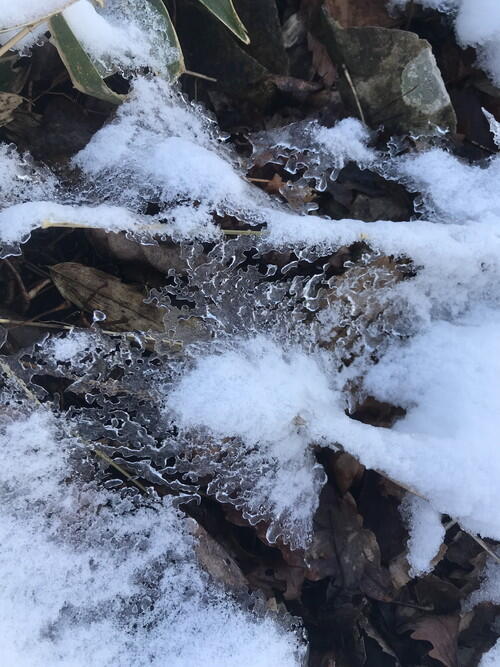
Melted snow around the wind cave.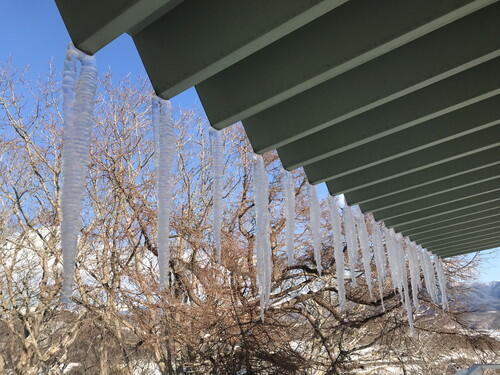
We also stopped by the observation deck. The icicles were so long, it makes you want to grab one.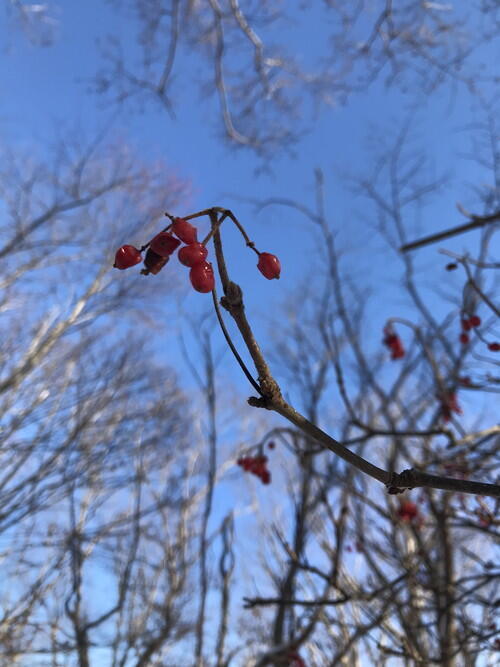
The red Wright viburnum berries really stood out. I also heard the call of a great spotted woodpecker.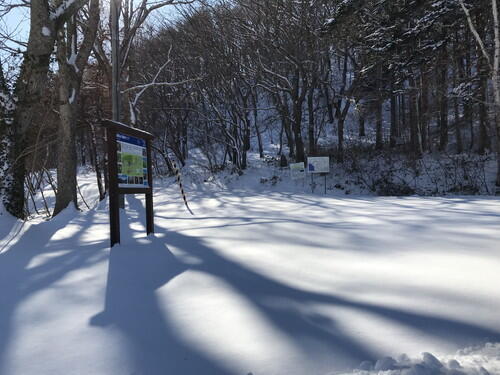
I created a path in the snow for safety purposes. Here is the before photo...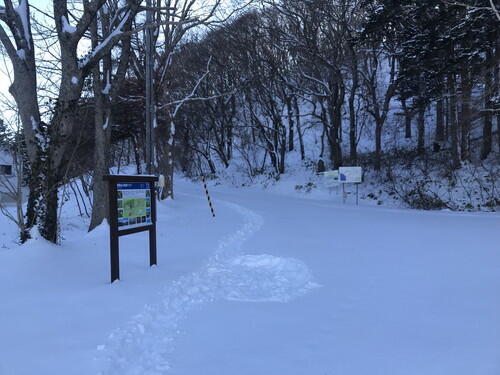
...and the after photo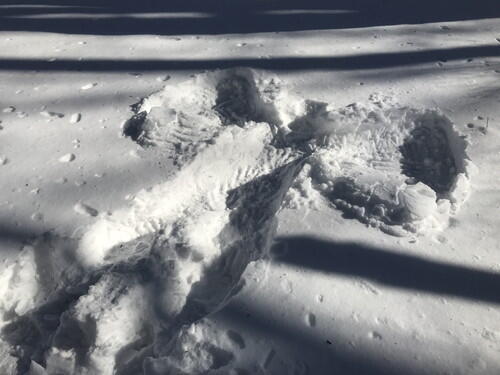
I was so exhilarated after finishing the path in the snow, that I decided to make a snow angel as well.
2024.12.12
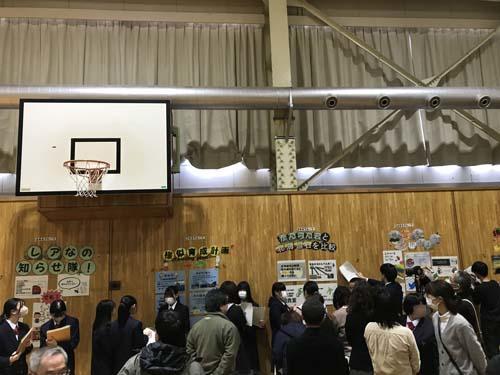
Poster Session at Junior High School
On December 12, a research poster session was held in the gymnasium of the Samani Junior High School. The posters were created by the elementary 6th graders through junior high 9th graders, and they were presented by each group and grade level. Students were joined by adults from the community who listened to the presentations, asked questions, and shared their impressions. 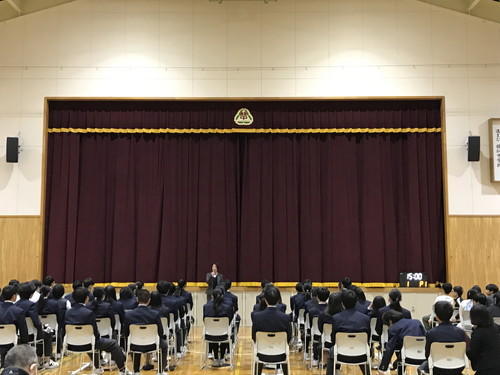
Parents, Samani Elementary teachers, Urakawa school principals, and Samani town employees also participated.
The students all worked very hard! The posters were creative in design and content, and various tools were also used during the presentations.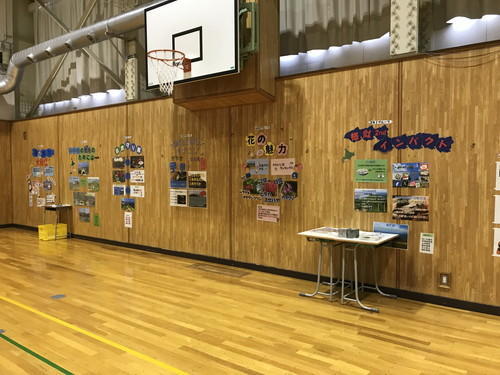
2024.12.09
Warm Wind Cave at Mt. Kannon
I went by Mt. Kannon on Dec 9th to prepare for a Kan-Kan Lecture in January. To my surprise, I found a hole that was expressing warm air! Even though it's already winter here, the warm air kept the area clear of snow. It was very mysterious! 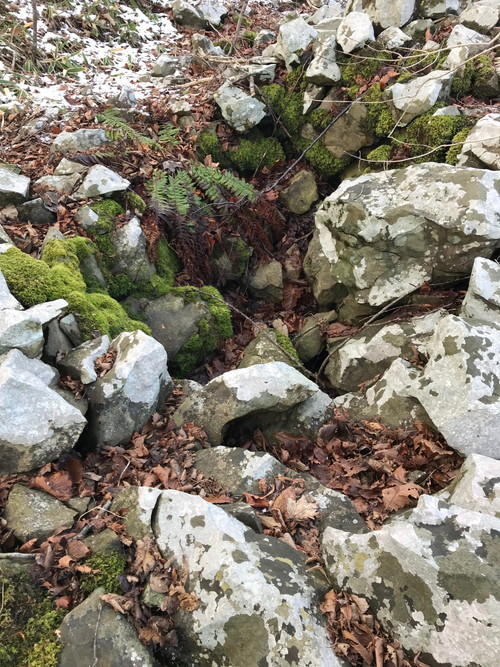
The January Kan-Kan Lecture is an observation of winter, so I hope there is still snow on Mt. Kannon by then. Of course, that all depends on the weather and climate patterns, so there's no way to know what Mt. Kannon will look like by mid-January.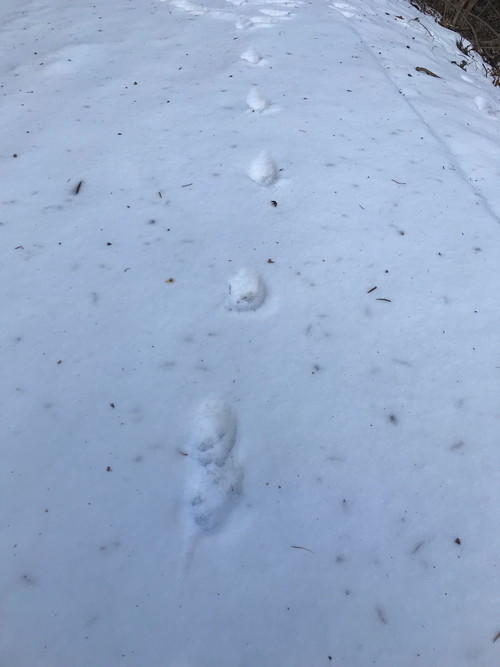
I also found some fox tracks. Fox prints are distinctive because they are always in a straight line.
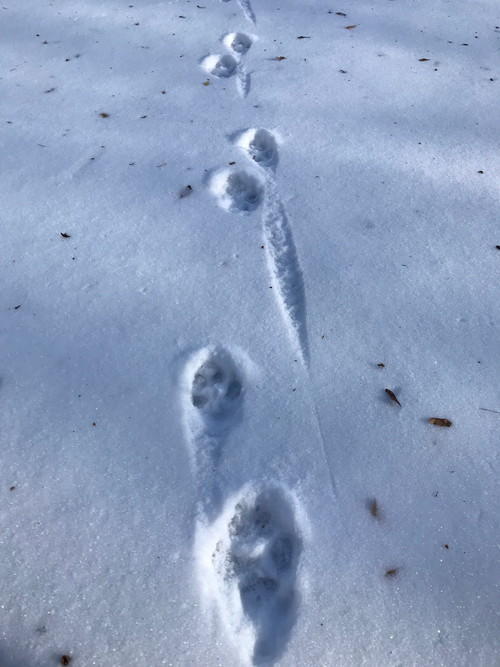
A raccoon dog, maybe?
2024.12.04
Winter Scenery
On Dec 4th, Samani Town received a light blanket of snow, and then some more snow on the 5th. 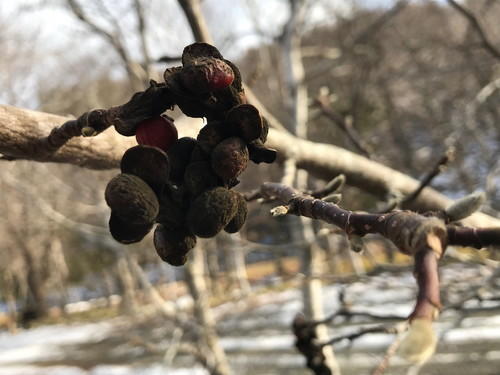
Kobushi Magnolia winter buds and seeds (the camera did not want to focus on the buds)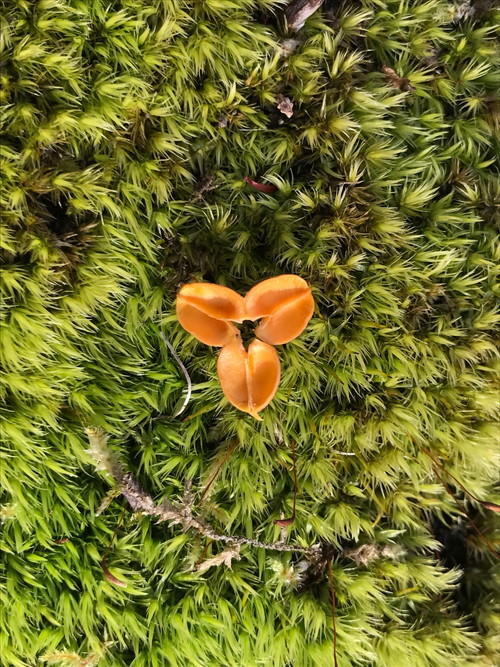
A fallen Oriental bittersweet on top of moss (the fruit is missing)